Programs

A school where every learner’s path is purposefully tailored rooted in  research crafted with care for out-of-the-box thinkers.

Personalized Learning Plans

Every child arrives with a unique blend of strengths, interests, and emerging skills. Our personalized learning plans honor this individuality; each student follows a curriculum tailored to their pace and learning profile. Skill checklists in reading, writing, math, and life skills help us understand where a student is thriving and where extra guidance will be most effective. These tools never box children in; instead, they ensure that progress is meaningful and aligned with how their minds learn best. Families can expect a thoughtful blend of structure and flexibility that keeps students moving forward with confidence.  

Active; Hands on Instruction 

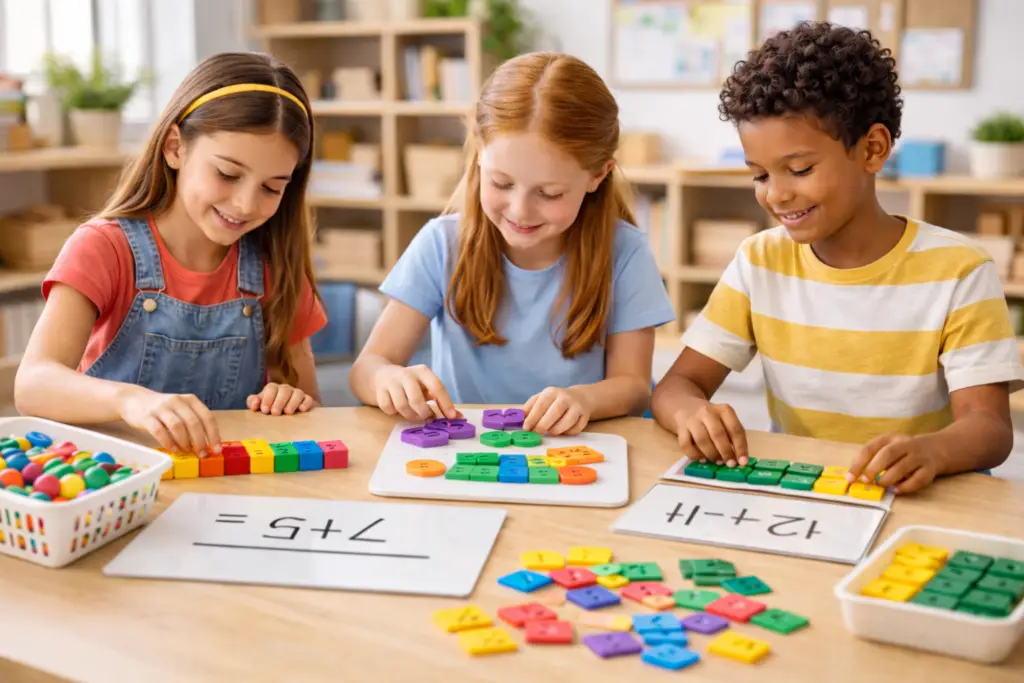
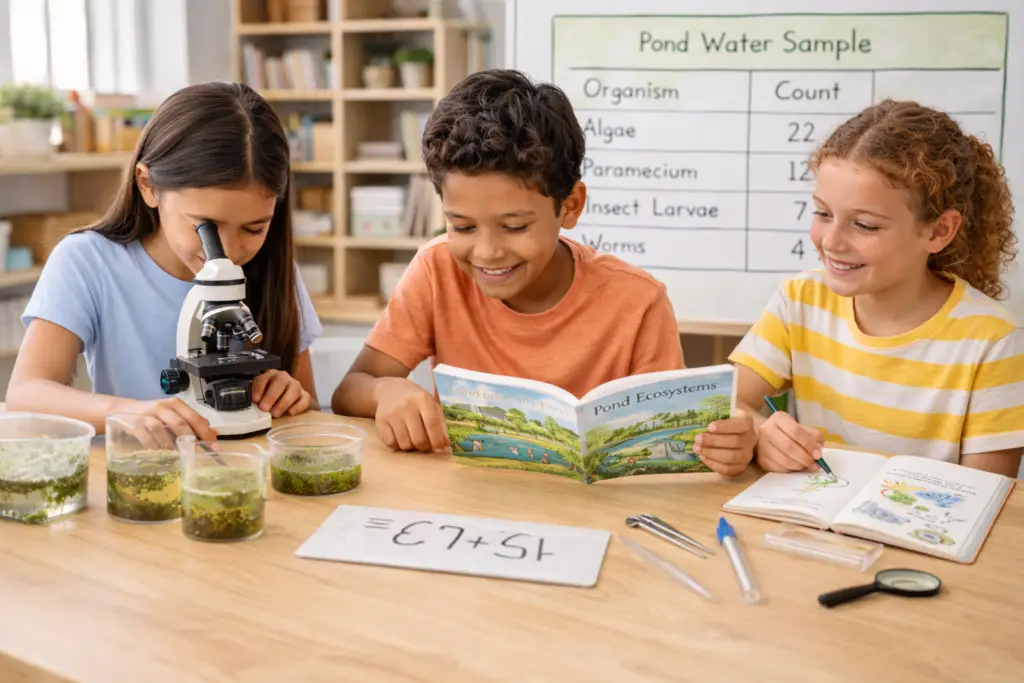
Learning at Tailored Minds Academy is lively, sensory rich, and rooted in real engagement. Direct instruction provides clear teaching and steady guidance; hands-on work lets students explore, experiment, and practice with purpose. Classrooms hum with movement, games, stories, and creative problem solving. Whether students are using manipulatives in math, acting out a story to build comprehension, or building a model during science, their brains and bodies stay involved. This approach supports stronger retention and helps children experience learning as something joyful and interactive. 

Purposeful Community Culture 

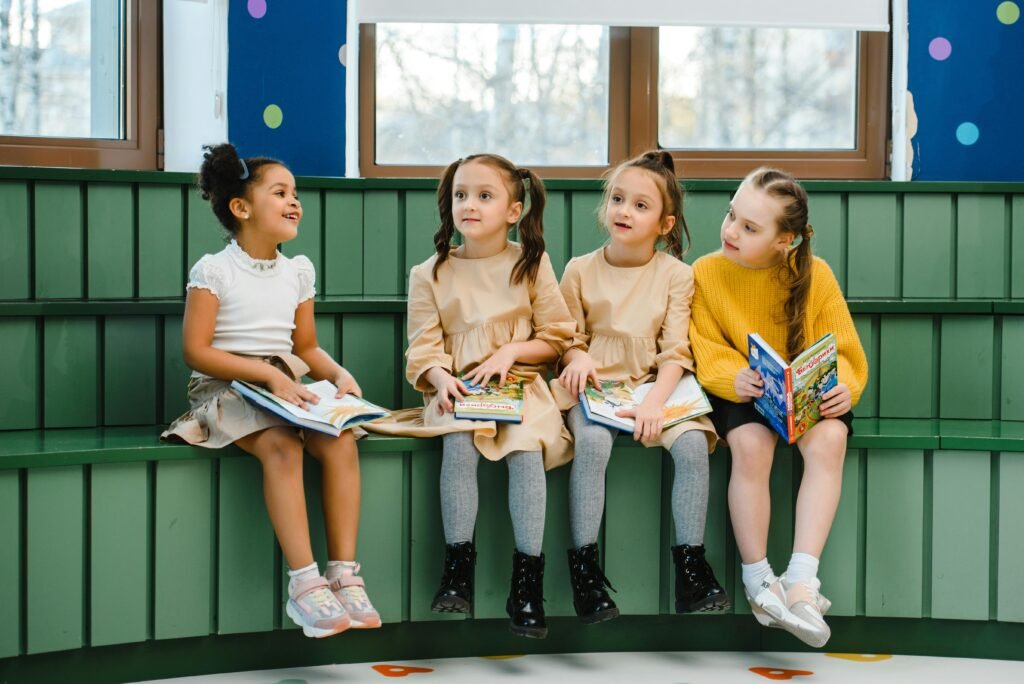
Our school community is intentionally designed to feel safe, steady, and welcoming to every family. Children learn best when they feel known and supported; for that reason, we emphasize small cohorts and predictable routines that create a sense of belonging. Teachers guide students in building healthy habits, navigating friendships, and contributing to a respectful classroom environment. Families from all backgrounds, religions, nationalities, and family structures are valued parts of our community. A child should never have to alter who they are to be welcome at school and learn.  

Threads of Learning

At Tailored Minds Academy, each child’s education is crafted one thread at a time. Our approach weaves together individualized plans, active instruction, and a nurturing community to create a learning experience that fits each student with intention and care. These threads form a steady foundation that helps every learner grow with confidence and purpose.  

Threads of Learning

At Tailored Minds Academy, each child’s education is crafted one thread at a time. Our approach weaves together individualized plans, active instruction, and a nurturing community to create a learning experience that fits each student with intention and care. These threads form a steady foundation that helps every learner grow with confidence and purpose.  

Personalized Learning Plans

Every child arrives with a unique blend of strengths, interests, and emerging skills. Our personalized learning plans honor this individuality; each student follows a curriculum tailored to their pace and learning profile. Skill checklists in reading, writing, math, and life skills help us understand where a student is thriving and where extra guidance will be most effective. These tools never box children in; instead, they ensure that progress is meaningful and aligned with how their minds learn best. Families can expect a thoughtful blend of structure and flexibility that keeps students moving forward with confidence.  

Active; Hands on Instruction 

Learning at Tailored Minds Academy is lively, sensory rich, and rooted in real engagement. Direct instruction provides clear teaching and steady guidance; hands-on work lets students explore, experiment, and practice with purpose. Classrooms hum with movement, games, stories, and creative problem solving. Whether students are using manipulatives in math, acting out a story to build comprehension, or building a model during science, their brains and bodies stay involved. This approach supports stronger retention and helps children experience learning as something joyful and interactive. 

Purposeful Community Culture 

Our school community is intentionally designed to feel safe, steady, and welcoming to every family. Children learn best when they feel known and supported; for that reason, we emphasize small cohorts and predictable routines that create a sense of belonging. Teachers guide students in building healthy habits, navigating friendships, and contributing to a respectful classroom environment. Families from all backgrounds, religions, nationalities, and family structures are valued parts of our community. A child should never have to alter who they are to be welcome at school and learn.  

TMA

FAQ

Students spend Monday through Wednesday in focused academic blocks that blend direct instruction with hands-on work and individualized learning plans. Thursdays and Fridays shift into enrichment, creativity, and real-world experiences that help students discover new interests and strengthen essential life skills.  

Students begin the morning with movement, stretching, or calming exercises that help their brains settle into the day. Direct instruction follows; teachers introduce skills in small groups or one on one, and students move into hands on practice that matches their personal learning plan. Project time in the afternoon brings science and social studies to life through experiments, research, stories, and creative demonstrations of understanding. Breaks for play and rest are built in to protect attention and support memory.  

Students learn in blended age groups that allow instruction to match readiness rather than a single grade label. Teachers tailor lessons, expectations, and activities, so each child receives the right level of challenge. Younger students gain confidence as they learn from older peers; older students strengthen leadership and communication skills. This structure removes stigma and keeps learning flexible.  

Each child receives an academic plan built through teacher observation, skill checklists, assessment data, and parent input. Plans reflect strengths, learning preferences, and areas where support or acceleration is needed. Teachers revise plans throughout the year to keep pace with student growth.  

Science and social studies anchor background knowledge; something students need for strong comprehension and vocabulary. Lessons build through inquiry, experiments, primary sources, stories, speakers, and hands on exploration. These subjects give students a richer understanding of the world and strengthen math, reading, and writing across all areas.  

Movement protects focus and supports brain development. Hands on learning deepens understanding, encourages curiosity, and gives students a wider range of ways to practice new skills. Games, manipulatives, interactive lessons, and creative projects help students master concepts in a way that feels natural.  

Students complete annual norm referenced assessments that help us understand growth over time. These tools offer a broad picture of progress across reading; writing; and math. They guide instruction without defining a child.  

Families receive a monthly progress update that highlights new skills, current goals, and any celebrations from the month. During these updates, teachers describe what the child is working on and what they will focus on next.  

In September, teachers meet with families to review the personalized learning plan, explain classroom routines, and outline goals for the year. In January we meet again to review growth, adjust the plan, and set the next steps. These meetings allow families and teachers to work as a team.  

Skill checklists allow teachers to see precisely where a child is thriving and where support is needed. A student may work on first grade expectations in one area, second grade expectations in another, and third grade expectations in something else. This balanced view keeps instruction well matched to the learner.  

Classrooms are warm, steady, and built around shared norms of kindness, respect, responsibility, and safety. Every student is valued as they are. We welcome families of all backgrounds, religions, nationalities, and family structures. A child should never have to alter who they are to be welcome at school and learn.  

 We guide students with empathy and clear boundaries. Teachers model problem-solving, emotional regulation, and respectful communication. When behavior becomes unsafe or unkind, we address it directly, teach alternatives, work with families, and assist families with finding a  when needed. Our goal is to have a safe, consistent learning environment for all.  

Homework is determined on an individual basis and written into each personalized learning plan. Younger students receive minimal work at home; upper elementary students begin to take on more responsibility as they become more independent. Homework is purposeful; never busy work.  

Technology is used with intention. Students learn essential digital skills, research practices, and safe usage; but they spend most of their time working hands on and face to face. Technology supports learning without becoming the center of it.  

Teachers bring extensive training in ESE practices, structured literacy, and subject specific instruction. This expertise allows us to meet students where they are and help them grow at a healthy pace. Materials, pacing, and teaching strategies shift based on each child’s needs.  

Enrichment days expand student learning through art, engineering, gardening, robotics, fitness, and creative expression. These classes have structure, curriculum, and clear goals. They strengthen confidence, curiosity, and real-world skills that support academic success.  

Find the Right Learning Path

Our programs offer flexible options and individualized instruction designed to meet students where they are and help them move forward with confidence.

Start a Conversation

Choosing a school is a big decision. We believe the best place to start is a conversation.

This short form helps us learn a little about your child and what you are hoping for in a school. From there, we can let you know whether Tailored Minds Academy feels like a good fit and what next steps might look like.

Parent/Guardian Name

Threads of Learning: Active Hands-on Instruction

Woven Woodlands learn best when academics feel purposeful and connected to the real world. Direct instruction is balanced with interactive practice, projects, experiments, and games, so students stay engaged while building deeper understanding. Lessons emphasize movement, problem solving, collaboration, and exploration.

What this looks like in Woven Woodlands

  • Direct teaching that is concise and targeted; followed by hands-on practice and movement based learning 
  • Math instruction that blends conceptual understanding, fluency, games, visual models, and real world problems 
  • Writing and reading workshops that mix structured lessons with independent and small group practice 
  • Project blocks in science and social studies where students investigate big ideas, research topics, learn from experts and create meaningful products 
  • Continued focus on morning movement; yoga, stretching, or calisthenics to prepare the brain for learning 
  • Whole class breaks that give students time to reset so they return ready for focused work 
  • Independent reading time each afternoon; paired with teacher check ins for comprehension and oral reading 
  • Integration of stories, creative challenges, and collaborative activities that bring learning to life 

Threads of Learning: Personalized Learning Plans

Every Woven Woodland student receives a tailored academic plan that honors their independence and supports steady growth across all subjects. Students build confidence as readers, writers, problem solvers, and community members because their learning plan is built around their strengths, interests, and areas of growth. The curriculum is individualized, skill checklists guide content progression, and students move forward when they are ready.

What this looks like in Woven Woodlands

  • Tailored curricula in reading, writing, and math that match each student’s learning profile 
  • Skill checklists that identify strengths, pinpoint needs, and guide instruction progression across subject areas 
  • Instruction that adapts as students progress; allowing for remediation, on level work, or acceleration 
  • Writing instruction that helps students plan, draft, revise, and publish pieces across genres 
  • Reading groups and one to one practice that nurture fluency, comprehension, and vocabulary 
  • Executive functioning support woven into daily routines, including planning, organization, and follow through 
  • A clear pathway from the K to 3rd cohort into Woven Woodlands; with expectations shared with families